
SakuraDate
Premium Asian dating platform with verified profiles, video chat, and gift delivery services for serious relationships.
Indian women represent one of the world's most culturally rich and family-oriented brides. With deep roots in tradition yet embracing modern values, Indian mail order brides offer Western men a unique combination of beauty, intelligence, and unwavering devotion to family life.
Meet Indian Women TodayThese verified dating platforms connect Western men with genuine Indian women seeking serious, marriage-minded relationships.
Premium Asian dating platform with verified profiles, video chat, and gift delivery services for serious relationships.
Connect with genuine Asian women seeking meaningful connections. Advanced matching and IMBRA-compliant services.
Elegant dating service featuring Asian singles from China, Japan, and Korea with translation assistance.
Modern platform connecting Western men with Asian women through live chat, video calls, and cultural events.
Specialized in South Asian dating with women from India, Pakistan, and Bangladesh seeking Western partners.
India is not a monolithic culture but a vibrant mosaic of over 1.4 billion people spanning 28 states, each with distinct traditions, languages, and customs. When you pursue an Indian mail order bride, you're entering a world where ancient wisdom meets modern ambition, where colorful festivals punctuate daily life, and where family bonds form the foundation of society.
The diversity of Indian women reflects the nation's geography. Women from North India-states like Punjab, Rajasthan, and Uttar Pradesh-often display the characteristic fair complexion and striking features shaped by centuries of varied cultural influences. They bring traditions of elaborate weddings, spicy cuisines, and spirited folk dances like Bhangra and Ghoomar to their relationships.
South Indian women from Kerala, Tamil Nadu, Karnataka, and Andhra Pradesh represent a different cultural tradition. These states boast some of India's highest literacy rates, with Kerala achieving near-universal education. South Indian brides often combine strong academic achievements with deep spiritual practices, classical arts like Bharatanatyam dance, and cuisines featuring coconut and rice.
Western India-Maharashtra, Gujarat, and Goa-produces women who blend traditional values with entrepreneurial spirit. The cosmopolitan influence of Mumbai has created a generation of Indian women who are comfortable navigating both traditional family expectations and modern professional environments.
Eastern India, including West Bengal and Odisha, is known for artistic and intellectual traditions. Bengali women are celebrated for their love of literature, music, and the arts, while maintaining strong family connections. Their cultural emphasis on education makes them articulate, thoughtful partners.
While approximately 80% of Indians practice Hinduism, India is also home to significant Muslim, Christian, Sikh, Jain, and Buddhist populations. Each religious tradition shapes different aspects of marriage customs, family expectations, and daily practices. Understanding your potential bride's religious background helps you appreciate the rituals and values she may bring to your relationship.
Hindu women often observe practices like daily prayers (puja), vegetarianism (though not universal), and the celebration of festivals such as Diwali, Holi, and Navratri. Christian Indian women, particularly from Kerala and Goa, may blend Western religious practices with Indian cultural traditions. Sikh women from Punjab bring strong values of equality, service to community, and distinctive cultural celebrations.
Indian brides bring unique qualities shaped by one of the world's oldest and richest civilizations.
India produces more STEM graduates than any other country. Many Indian women hold advanced degrees in medicine, engineering, business, and technology, making them intellectually engaging partners.
Indian culture places family at the center of life. Women are raised to value marriage as a sacred commitment and to nurture strong, multi-generational family bonds.
Indian cuisine is among the world's most sophisticated, with complex spice combinations and regional specialties. Indian wives often transform meals into celebrations of flavor and nutrition.
From classical dance to traditional music, from colorful festivals to intricate art forms-Indian women bring cultural depth that enriches daily life and creates memorable family traditions.
India has the world's second-largest English-speaking population. Educated Indian women communicate fluently in English, eliminating language barriers common with other Asian brides.
Modern Indian women skillfully balance traditional values with contemporary perspectives. They respect heritage while embracing progressive views on partnership and personal growth.
Connect with verified Indian women from diverse backgrounds who are ready for serious, committed relationships.
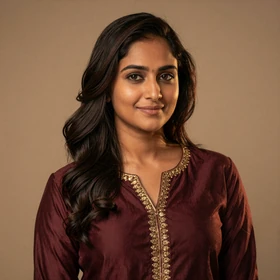
27 years old • Mumbai, Maharashtra
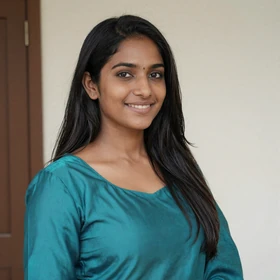
25 years old • Bangalore, Karnataka
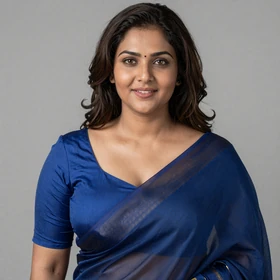
29 years old • Delhi, NCR
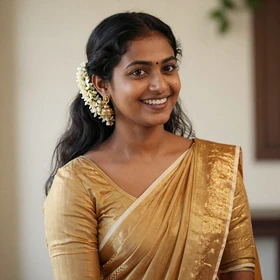
26 years old • Chennai, Tamil Nadu
Understanding family dynamics is essential when pursuing an Indian bride. In Indian culture, marriage is not simply a union between two individuals-it's the joining of two families. This perspective shapes every aspect of the relationship, from courtship to daily married life.
Many Indian families traditionally live in joint family arrangements, where multiple generations share a household. While this practice is evolving in urban areas, the underlying values persist. When you marry an Indian woman, you gain an extended support network of in-laws, aunts, uncles, and cousins who become invested in your marriage's success.
Indian parents typically play an active role in their children's marriages. Rather than viewing this as interference, understand it as a form of guidance and support. Families conduct what's often called "background verification"-ensuring compatibility of values, education, and life goals. This involvement, when approached respectfully, can strengthen your relationship.
Indian culture places tremendous importance on respecting elders. Your Indian bride will likely expect you to show deference to her parents and grandparents. Simple gestures-touching feet as a sign of respect, seeking blessings before major decisions, or addressing elders with honorific titles-demonstrate cultural sensitivity that will earn you genuine appreciation from her family.
Indian weddings are elaborate, multi-day celebrations filled with ancient rituals, vibrant colors, and joyful music. While specific customs vary by region and religion, most include pre-wedding ceremonies (like the Mehndi or henna application and Sangeet musical night), the main wedding ceremony, and post-wedding rituals.
Be prepared to participate actively. Hindu ceremonies may include walking around a sacred fire (pheras), exchanging garlands (jaimala), and tying of the sacred thread (mangalsutra). These rituals carry deep spiritual significance for your bride and her family. Embracing them wholeheartedly demonstrates your commitment to honoring her heritage.
Today's Indian women increasingly balance traditional family values with modern aspirations. Many seek partners who respect their career ambitions while also valuing family life. They want emotional partnership, shared decision-making, and mutual support-not rigid traditional roles.
Successful relationships with Indian women often involve open conversations about expectations. Discuss topics like where you'll live (near her family or yours), career priorities, child-rearing approaches, and how you'll maintain connections with both families. Indian women appreciate men who engage thoughtfully with these questions rather than dismissing them.
Cultural awareness and genuine respect will help you build meaningful connections with Indian brides.
India is incredibly diverse. A woman from Kerala will have different customs than one from Punjab. Ask about her specific traditions, favorite festivals, regional cuisine, and family practices. This genuine curiosity demonstrates respect and helps you avoid generalizations.
Share stories about your own family, your relationship with your parents, and your vision for future family life. Indian women seek partners who value family as highly as they do. Show that you're ready for the commitment marriage represents.
Indian dating often progresses more slowly than Western norms. Physical intimacy may be reserved until later in the relationship. Respect her pace and boundaries. Building emotional connection and trust comes first in Indian courtship traditions.
When you meet her family-whether through video call or in person-demonstrate genuine respect. Address her parents formally, express interest in their lives, and convey your serious intentions. Winning parental approval significantly advances your relationship.
Cultural Tip: Gifts are important when meeting Indian families. Traditional choices include sweets (mithai), fruits, or thoughtful items from your home country. Avoid leather products or alcohol unless you know the family's preferences. The gesture matters more than the price.
Indian weddings are legendary for their grandeur, lasting anywhere from one day to over a week. While you don't need to replicate every tradition, understanding and participating in key ceremonies shows respect for your bride's heritage and creates meaningful memories.
The Roka or engagement ceremony marks the formal agreement between families. The Mehndi ceremony involves intricate henna designs applied to the bride's hands and feet-often including the groom's name hidden in the patterns. The Sangeet is a joyful musical night where families perform choreographed dances and celebrate together.
In Hindu weddings, the Saptapadi (seven steps) around the sacred fire represents seven vows the couple makes to each other. Each step symbolizes a promise: nourishment, strength, prosperity, wisdom, children, health, and friendship. These vows capture the comprehensive nature of Indian marriage expectations.
The Mangalsutra (sacred necklace) and Sindoor (vermillion in the hair parting) signify a woman's married status. Some modern Indian women wear these symbols daily, while others reserve them for special occasions. Discuss these traditions with your bride to understand her preferences.
The Vidaai is an emotional ceremony where the bride leaves her parents' home. The Grihapravesh welcomes her to her new home. Reception parties may be held by both families to introduce the couple to extended networks. These ceremonies help establish your bride's place in your life and community.
Modern India sees both arranged and love marriages. According to surveys, approximately 55% of Indians still prefer arranged marriages, though this varies by region and education level. Many Indian women on international dating sites are open to "love marriages" with compatible Western partners. What matters most is that both families eventually support the union, regardless of how the couple met.
Religious conversion is not universally required. Hindu ceremonies can accommodate interfaith couples, and many Indian Christian families welcome marriages to Western Christians. However, some families may expect conversion, particularly in more traditional households. This is an important early conversation to have with your potential bride and her family.
While caste considerations have diminished in urban and educated populations, they remain significant in some families. As a Western man, you technically fall outside the caste system. Some traditional families may prefer this (no caste concerns), while others might be hesitant about intercultural marriage. Educated, urban Indian women on dating sites typically come from families open to cross-cultural unions.
Expect warm hospitality, abundant food, and many questions about your background, career, and intentions. Dress conservatively (avoid shorts and sleeveless shirts when meeting elders). Bring thoughtful gifts. Be prepared for spicy food and possibly some digestive adjustment. Show enthusiasm for learning about their culture, and be patient with communication differences.
This varies significantly by family. Some Indian families are financially independent and expect nothing. Others may have cultural expectations around helping with medical expenses for elders or education for younger relatives. Have honest conversations about family financial expectations before marriage. Most educated Indian women seeking Western partners come from self-sufficient families.
Many Indian women on international dating platforms are specifically seeking partners willing to help them build a new life abroad. However, strong family ties mean they will want to maintain connections through regular communication and periodic visits to India. Discuss how often she would want to visit her family and whether future children would learn about their Indian heritage.
Many Hindu Indian women are vegetarian, though this is not universal. Some avoid beef specifically, while others eat all meats. Muslim Indian women observe halal dietary laws. Understanding her dietary practices shows respect and helps you plan meals together. Many couples successfully blend dietary traditions, with Indian wives cooking both vegetarian Indian dishes and Western cuisines.
Use video chat early and often to confirm her identity. Ask specific questions about her city, education, and work that would be difficult to fake. Verify her photos through reverse image search. Reputable platforms like SakuraDate and NaomiDate perform verification. Be cautious of anyone asking for money before meeting in person-legitimate Indian women seeking marriage will not make financial requests.
Begin your journey toward a meaningful relationship with a beautiful, educated Indian woman who shares your values and vision for family life.
Start Meeting Indian Women